Showing posts with label Asian Dances. Show all posts

Film Showing-Philippine Folk Dances

Photo credit goes to everitas
QUIZ TIME: Film Showing-Philippine Folk Dances. Please fill-in the box to start the quiz. Use arrow -up and arrow -down on your key board to navigate and to continue the quiz. Good Luck!!! 


Thank you for reading and commenting...

  • Digg
  • Del.icio.us
  • StumbleUpon
  • Reddit
  • RSS

Bindian

CORDILLERA SUITE


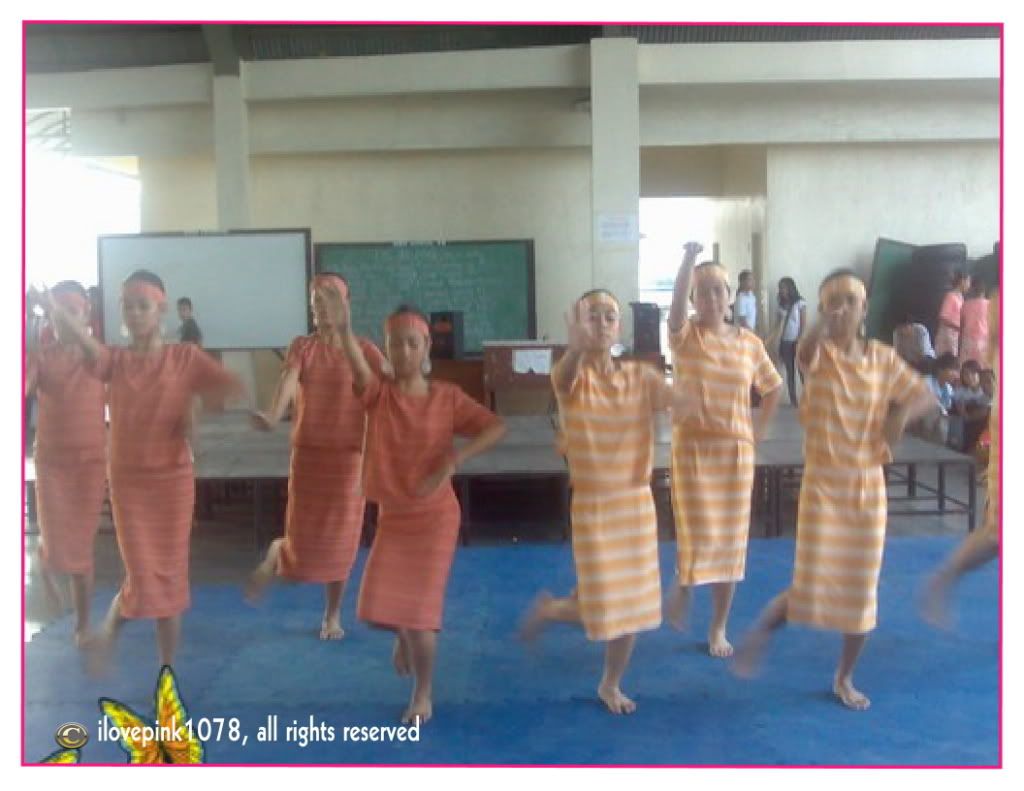
Bindian is an Ibaloy dance. The Ibaloy who inhabit the southernmost mountain regions in Northern Luzon perform victory dances to extol the bravery of the warriors of yesterday. In this version from the barrio of Kabayan, hand movements are downward, suggesting the people's affinity with the earth. The basic step consists of a stamp by the left foot and a light, forward movement by the right. Instrumentalists lead the line, followed by male dancers, while the female dancers bring in the rear.


Thank you for reading and commenting...

  • Digg
  • Del.icio.us
  • StumbleUpon
  • Reddit
  • RSS

Singkil Dance

MUSLIM SUITE


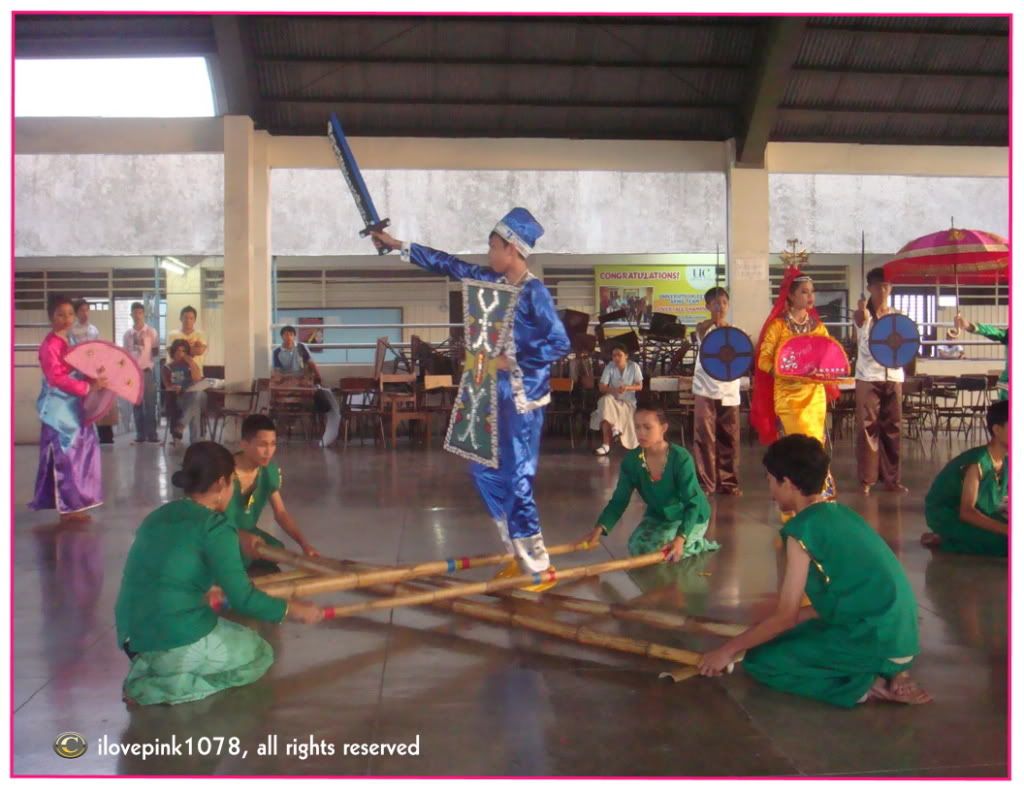
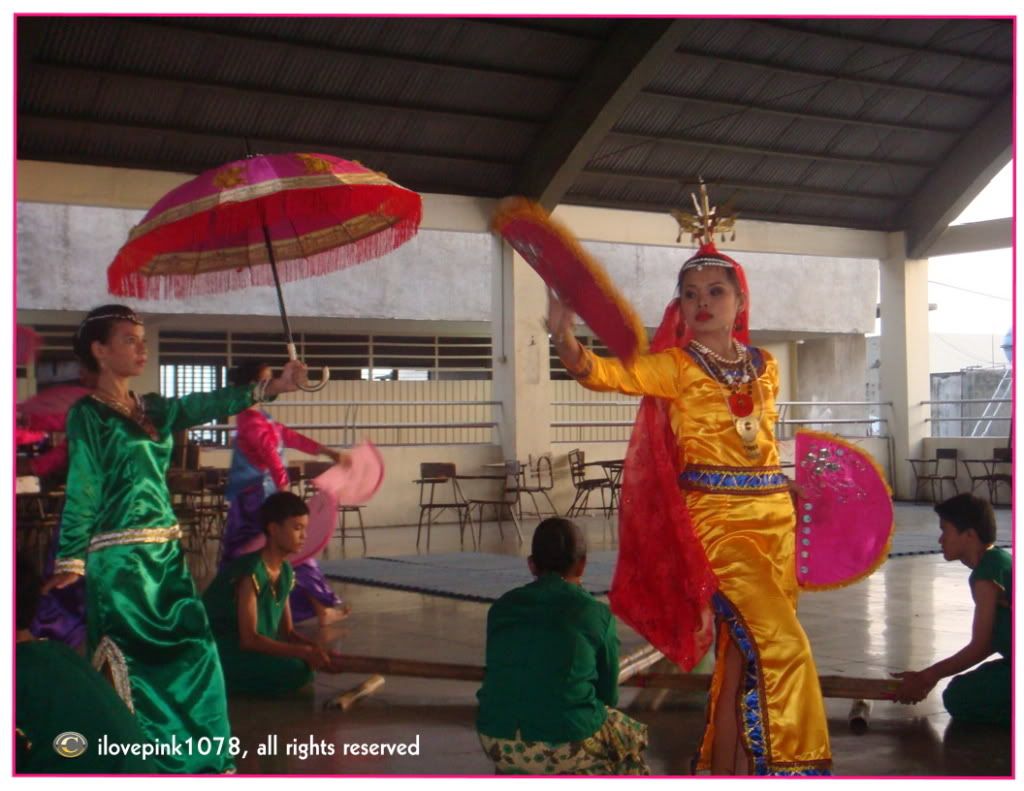
Singkil dance takes its name from the bells worn on the ankles of the Muslim princess. Perhaps one of the oldest of truly Filipino dances, the Singkil recounts the epic legend of the "Darangan" of the Maranao people of Mindanao. This epic, written sometime in the 14th century, tells the fateful story of Princess Gandingan, who was caught in the middle of a forest during an earthquake caused by the diwatas, or fairies of the forest. The criscrossed bamboo poles represent the trees that were falling, which she gracefully avoids. Her slave loyally accompanies her throughout her ordeal. Finally, she is saved by the prince. Dancers skillfully manipulate apir, or fans which represent the winds that prove to be auspicious. Royal princesses to this day in the Sulu Archipelago are required to learn this most difficult and noble dance.
There are other versions of Singkil. Perhaps the version more widely performed by dance companies is the "Garden Singkil." The story goes that the princess goes into her garden, accompanied by her slave, and plays with the butterflies, which are represented by the fan dancers. The movements of the fans supposedly represent those of the butterflies, as opposed to the diwatas. In another popular version, the prince uses a scarf instead of a sword.
Thank you for reading and commenting...

  • Digg
  • Del.icio.us
  • StumbleUpon
  • Reddit
  • RSS

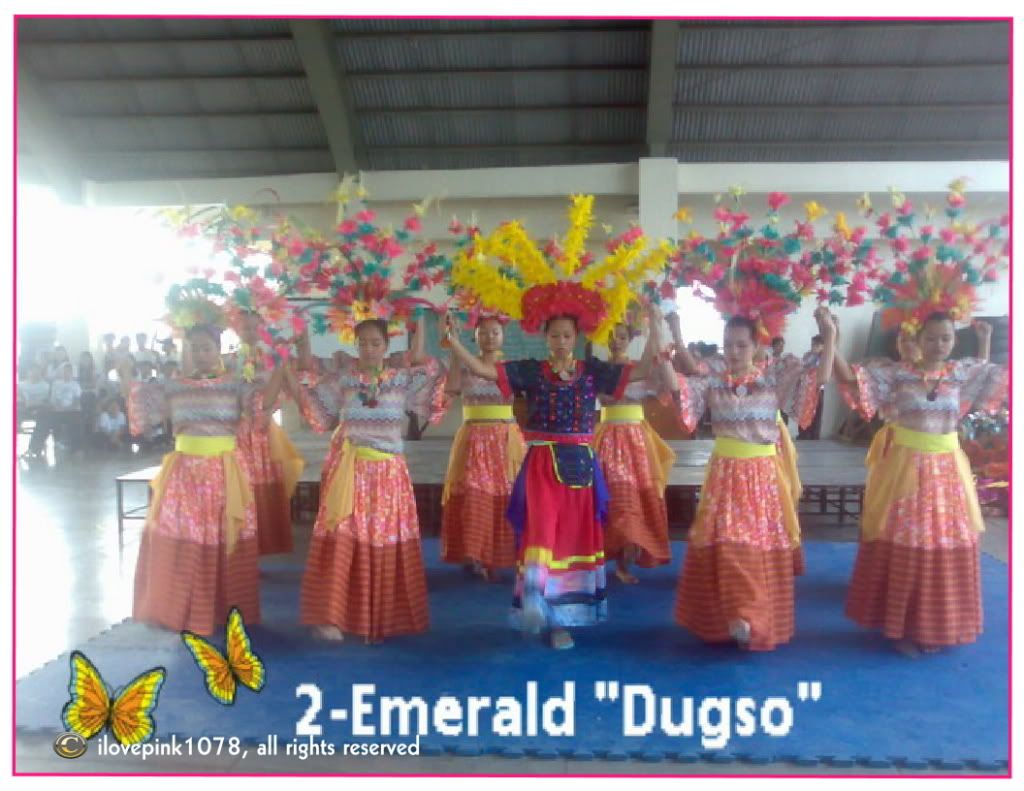
Dugso Dance

TRIBAL SUITE


Dugso dance is a Bukidnon from northeastern Mindanao perform this dance as an entertainment for the deities, to make them feel more comfortable during the fiesta that has been organized for them and consequently more often to the requests of the celebrants. It was originally thought that this dance was performed only during harvest time or upon the birth of a male heir. Women would wear colorful feathered head dresses, plaid costumes and anklets. They would step rhythmically around a bamboo arch decorated with newly-gathered palay (rice stalks) and corn, and their movements are emphasized by the tinkling sounds from the anklets.


Thank you for reading and commenting...

  • Digg
  • Del.icio.us
  • StumbleUpon
  • Reddit
  • RSS

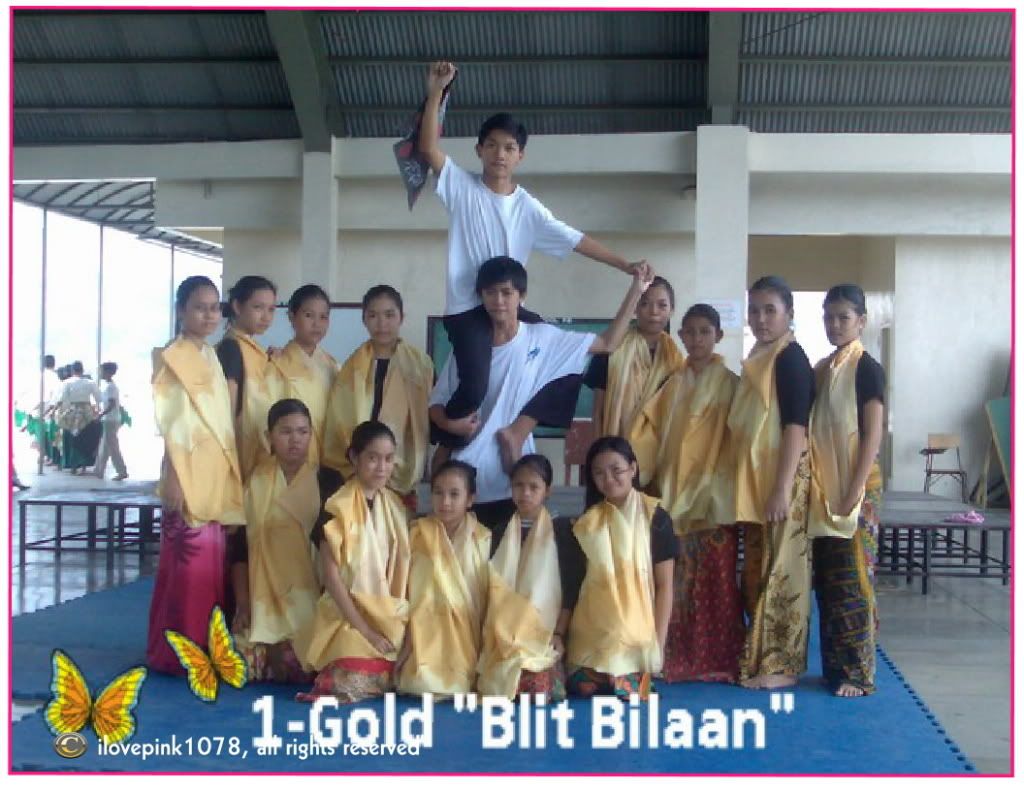
Blit B'laan Dance

TRIBAL SUITE


Blit B'laan is a courtship dance of the Bilaan of Davao del Sur imitating forest birds during the mating season. Two richly-plumed male birds eye three female birds. The females scurry to safety, burying their heads under their wings (represented by the malong, a tubular cloth), but the aggressive males follow them wherever they go.

Thank you for reading and commenting...

  • Digg
  • Del.icio.us
  • StumbleUpon
  • Reddit
  • RSS

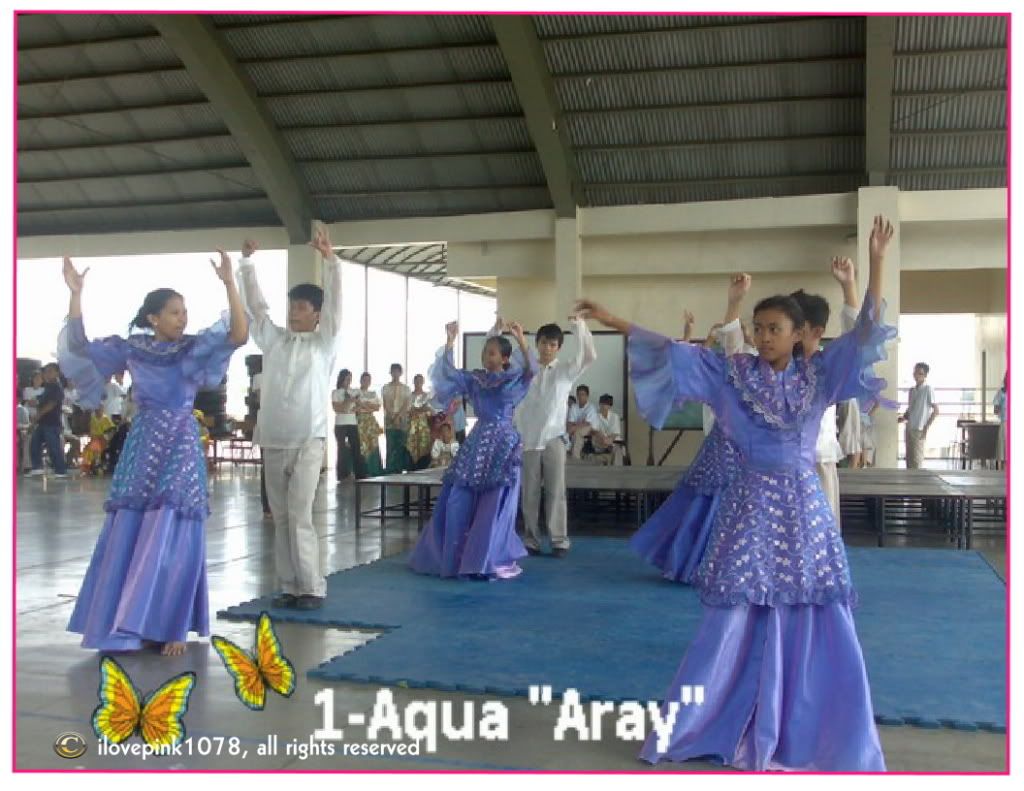
Aray Dance

MARIA CLARA SUITE

Aray is a dance whose words are sung in "Chabacano-ermitense," a hybrid of Spanish that was only spoken in the Ermita district before the turn of the century and today is extinct. The dance itself is a flirtatious one that involves graceful use of the pañuelo, or shawl, and tambourines. Aray means "ouch" in Tagalog.


Thank you for reading and commenting...

  • Digg
  • Del.icio.us
  • StumbleUpon
  • Reddit
  • RSS

Film Showing Philippine Folk Dances

Philippine Folk Dances Guide Questions:

1. Why dance?
2. What are the dances that belong to Rural Maria Clara, Cordillera, Tribal and  and Muslim ?
3. Compare and Contrast Rural, and Maria Clara? Cordillera and Tribal? Muslim and Maria Clara?
4. Describe the choreography used in each suite?
5. What are the common formations used in the dance?
6. Differentiate the expressions of each suite.
7. Which of those dances that shows courtship?
8. Which of the suite you would like to perform? Why?
9. If you are going to choose one of the dances to perform, what would that be and why?
10. Having a film showing about Philippine Folk Dances, does it useful and valuable to you? Why or Why not?

Thank you for reading and commenting...

  • Digg
  • Del.icio.us
  • StumbleUpon
  • Reddit
  • RSS

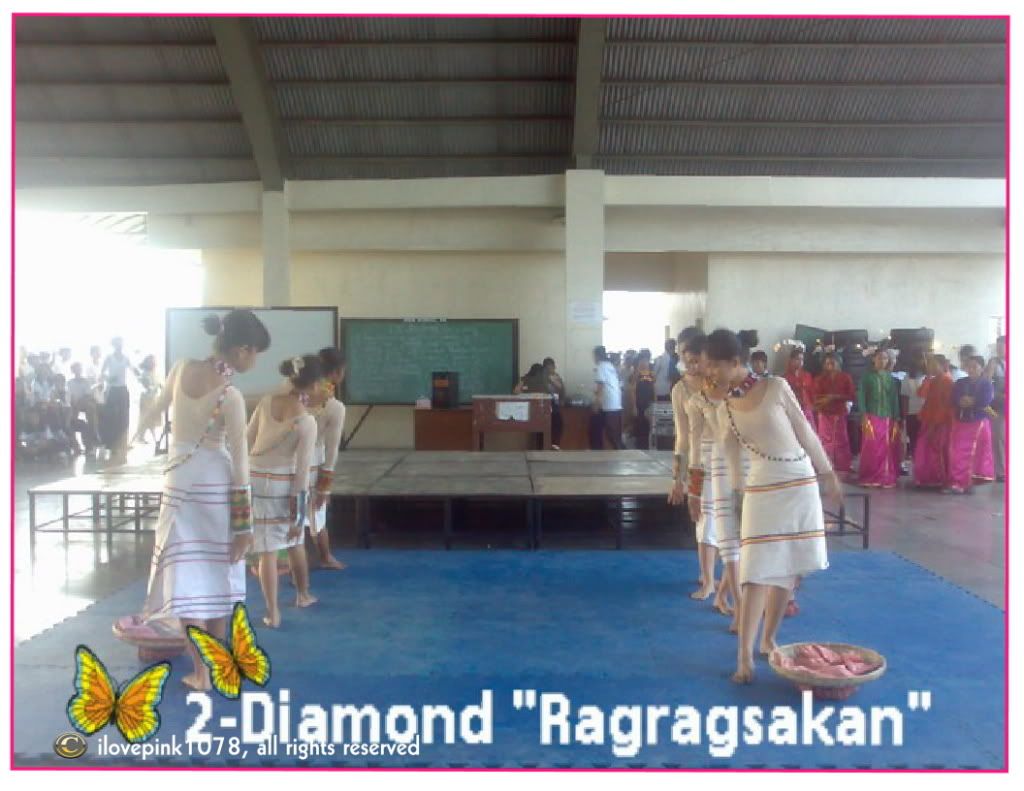
Ragragsakan Dance

CORDILLERA SUITE


Ragragsakan dance is an adaptation of a tradition in which Kalinga women gather and prapare for a budong, or peace pact.


Thank you for reading and commenting...

  • Digg
  • Del.icio.us
  • StumbleUpon
  • Reddit
  • RSS

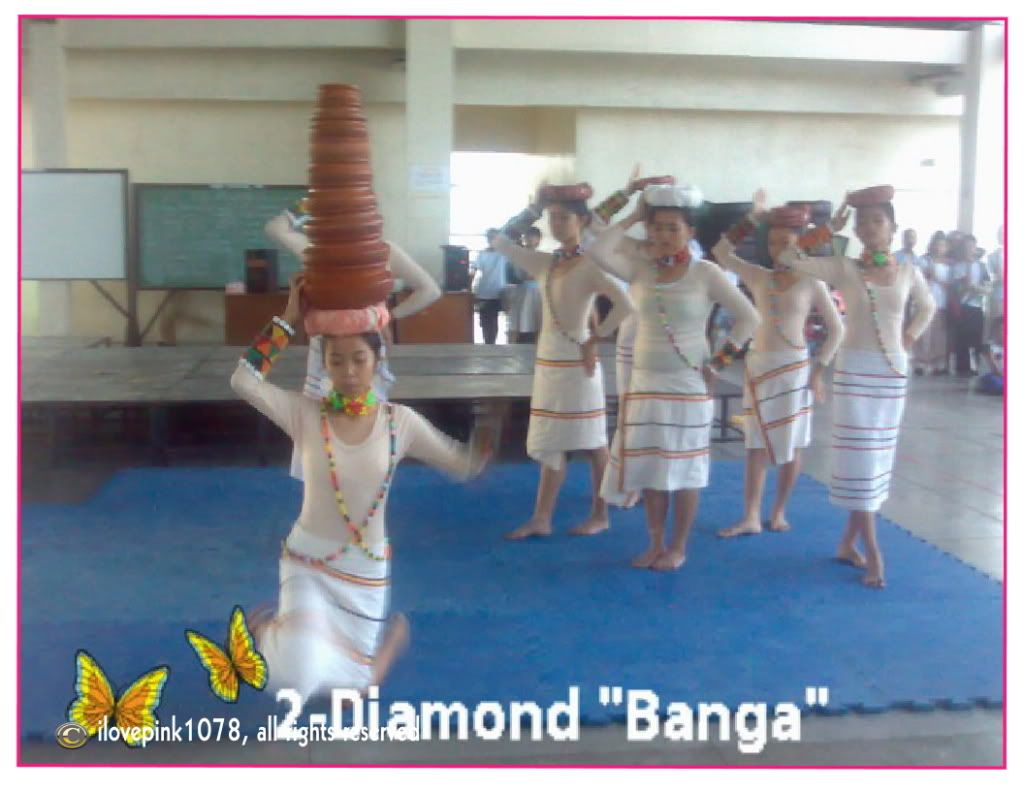
Banga Dance

CORDILLERA SUITE


Banga dance is an Igorot maidens go to the river and prepare for a marriage ceremony. They display not only their grace and agility, but also their stamina and strength as they go about their daily task of fetching water and balancing the banga, claypots full of water, on their heads

Thank you for reading and commenting...

  • Digg
  • Del.icio.us
  • StumbleUpon
  • Reddit
  • RSS

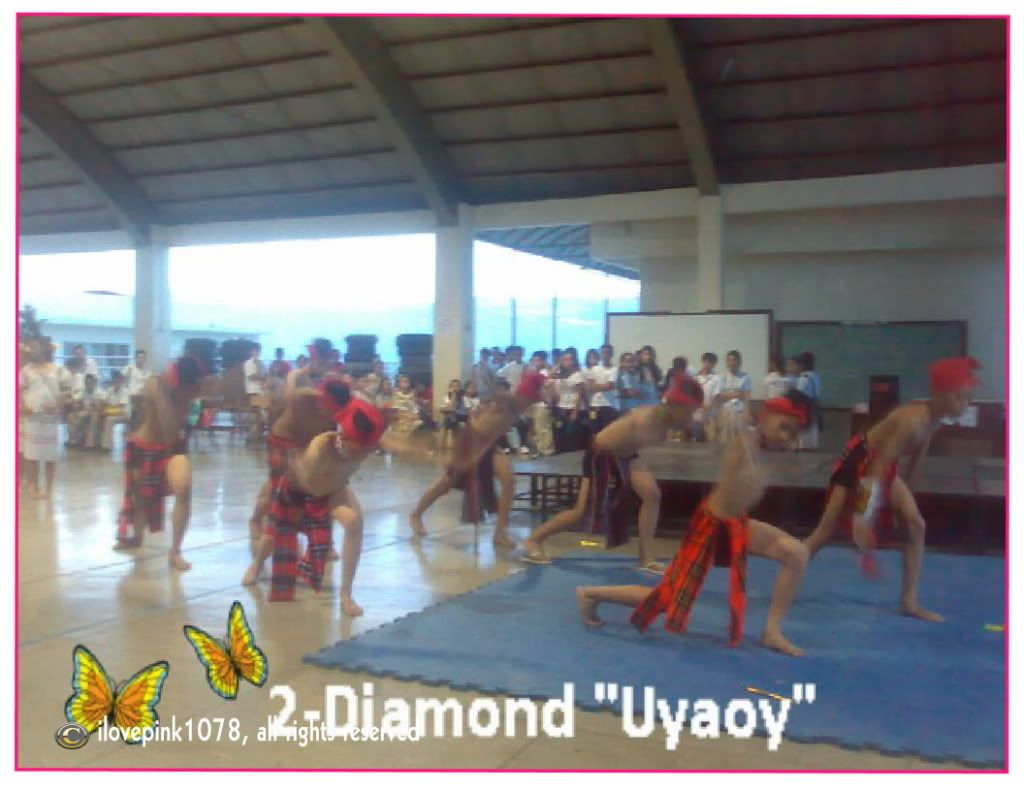
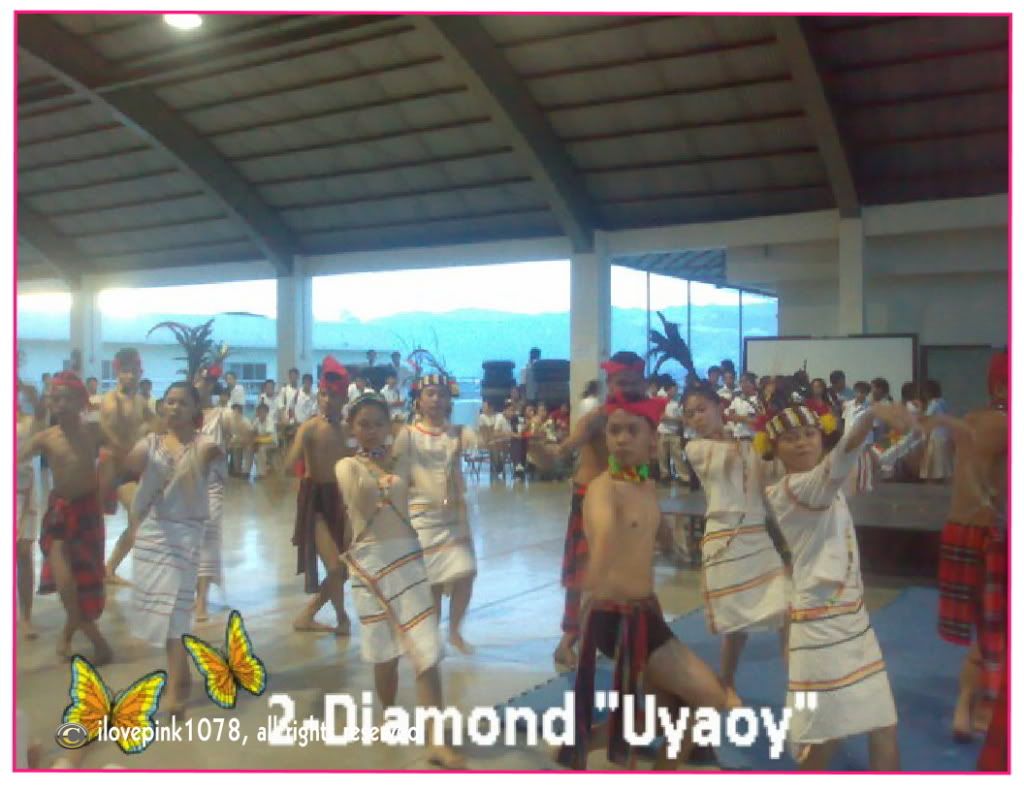
Uyaoy Dance

CORDILLERA SUITE

Uyaoy Dance is an Ifugao wedding festival dance accompanied by gongs and is performed by the affluent to attain the second level of the wealthy class. Wealthy people who have performed this dance are entitled to the use of gongs at their death.

Thank you for reading and commenting...

  • Digg
  • Del.icio.us
  • StumbleUpon
  • Reddit
  • RSS

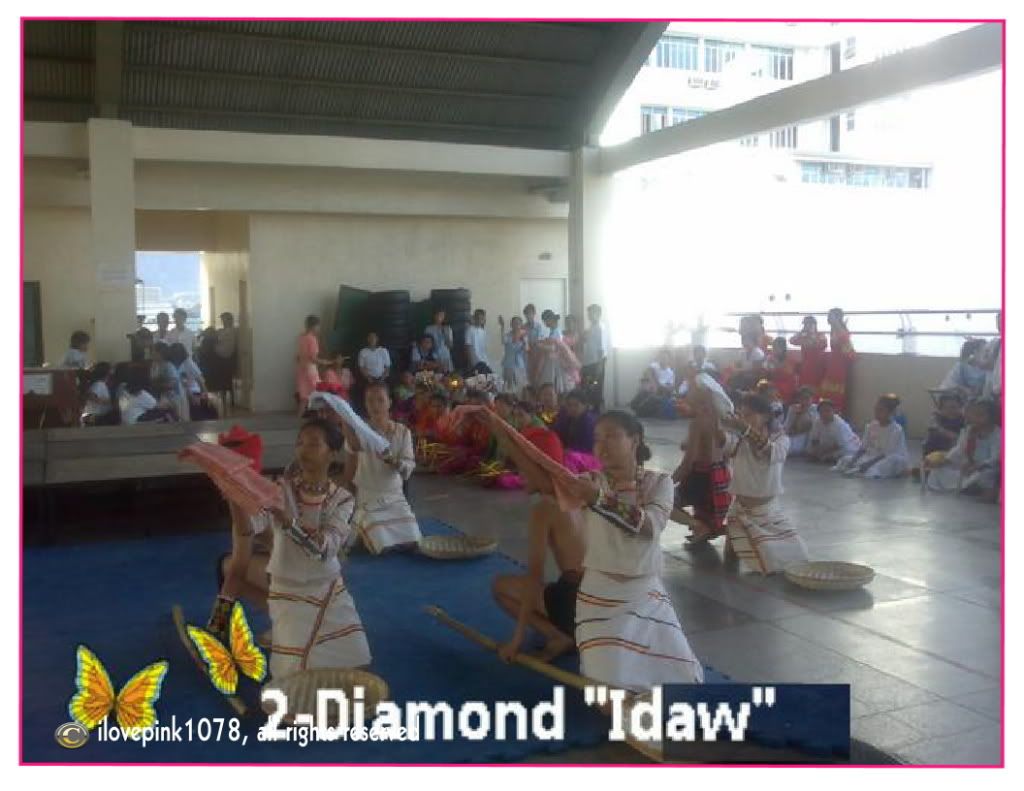
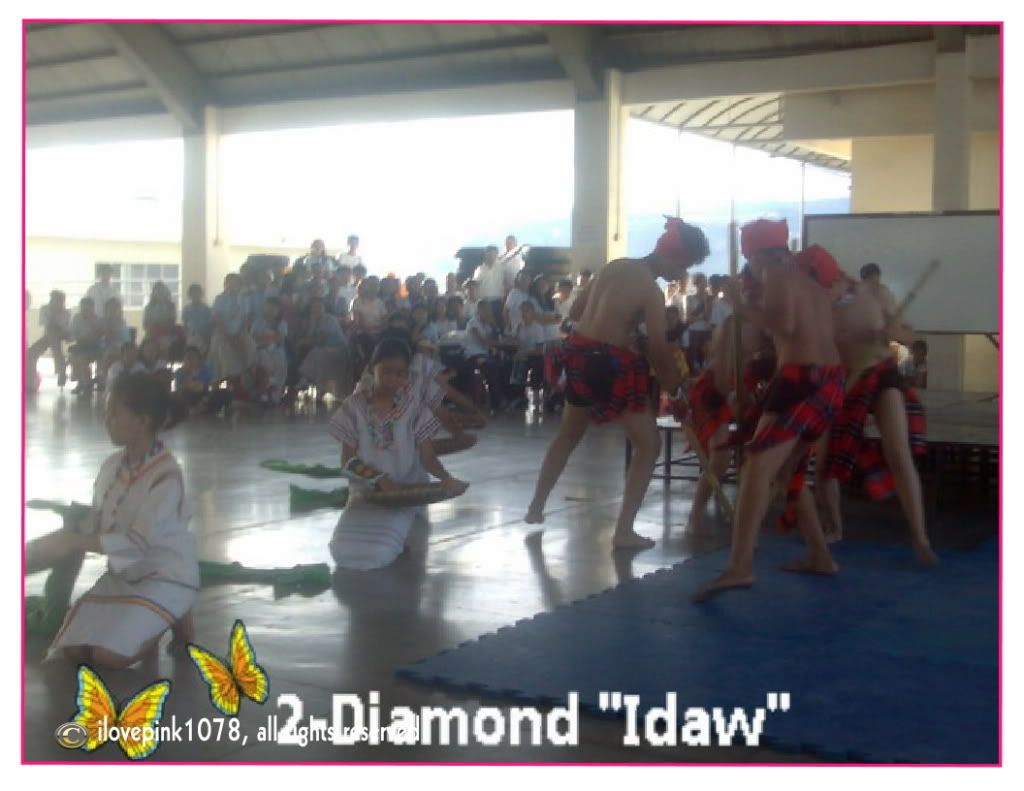
Idaw Dance

CORDILLERA SUITE


Idaw is one of Cordillere dance. This Bontoc dance depicts a war ceremony performed by warriors of rivaling tribes. Idaw, meaning "bird," is celebrated because it was the omen bearer of war.


Thank you for reading and commenting...

  • Digg
  • Del.icio.us
  • StumbleUpon
  • Reddit
  • RSS

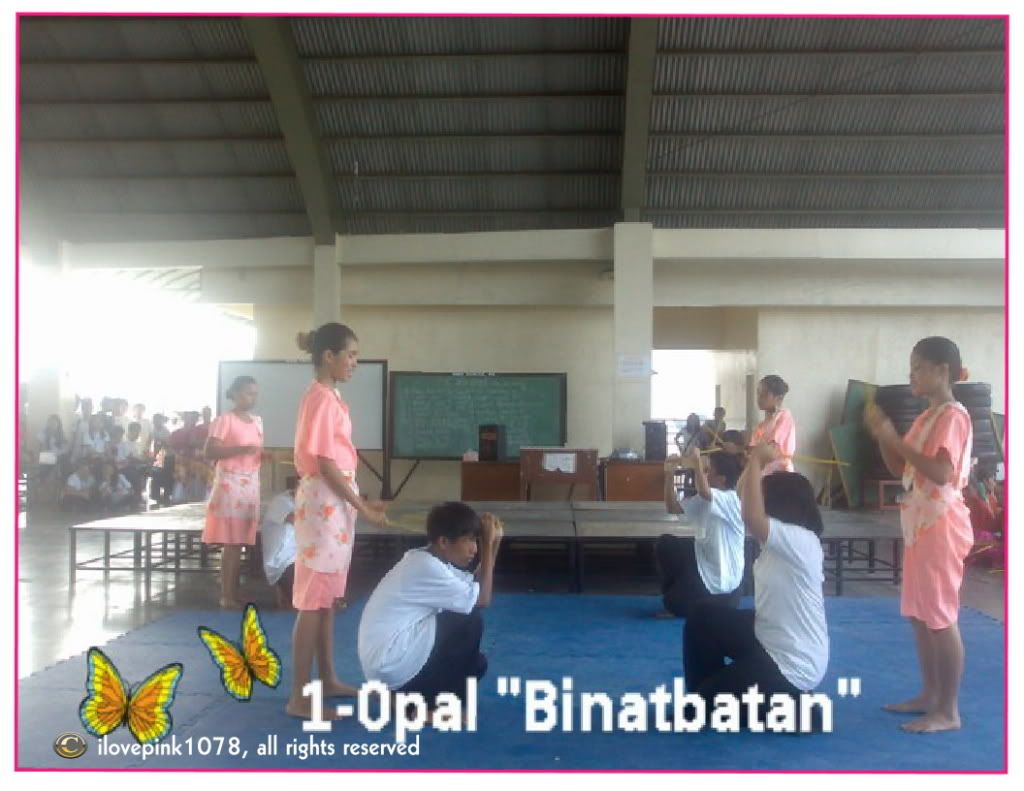
Binatbatan Dance

RURAL SUITE


An occupational dance from Paoay, Ilocos Norte, Binatbatan depicts the beating of cotton pods to separate the seeds from the fibers with the use of two sticks called batbat in the Ilocos region. Weavers in Paoay often engage themselves in abel-making contests (abel is a cloth common among the Ilokanos). Dancers maneuver in and out of parallel batbat sticks, each about 18 inches long. The rhythm and speed of the beating of the sticks make for a lively and colorful display.

Thank you for reading and commenting...

  • Digg
  • Del.icio.us
  • StumbleUpon
  • Reddit
  • RSS

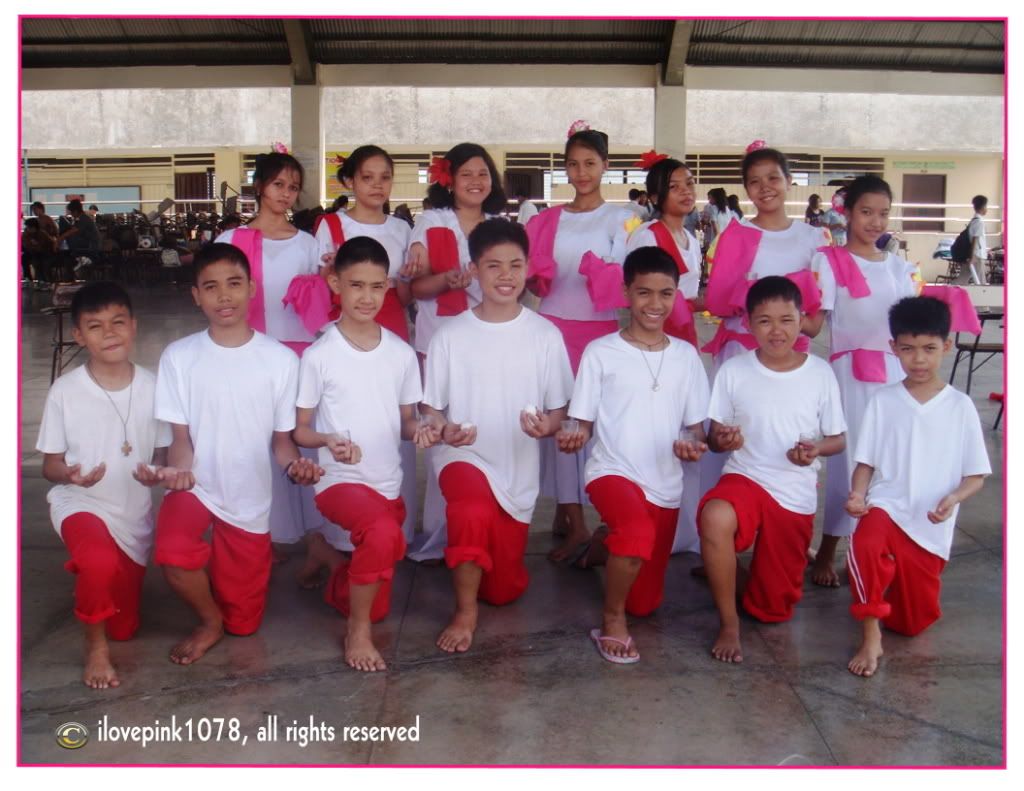
Pandanggo sa Ilaw Dance

Pandanngo sa Ilaw is a popular dance of grace and balance comes from Lubang Island, Mindoro in the Visayas region. The term pandanggo comes from the Spanish word fandango, which is a dance characterized by lively steps and clapping that varies in rhythm in three-four time. This particular pandanggo involves the presence of three tinggoy, or oil lamps, balanced on the head and the back of each hand.


Thank you for reading and commenting...

  • Digg
  • Del.icio.us
  • StumbleUpon
  • Reddit
  • RSS

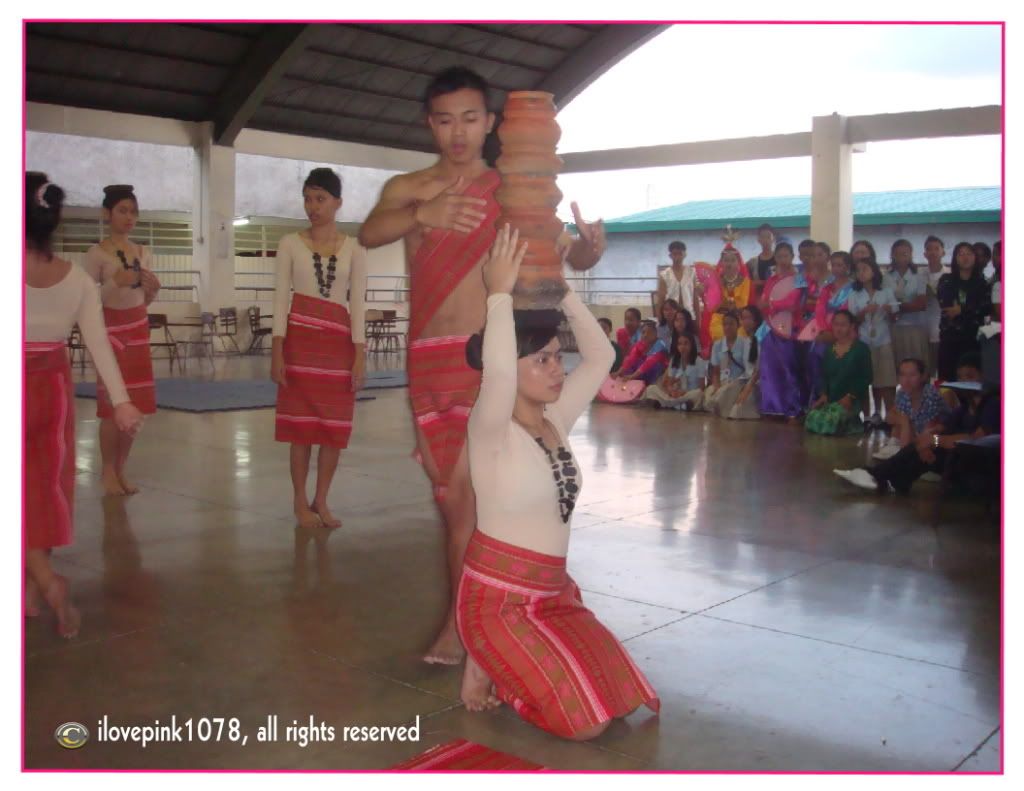
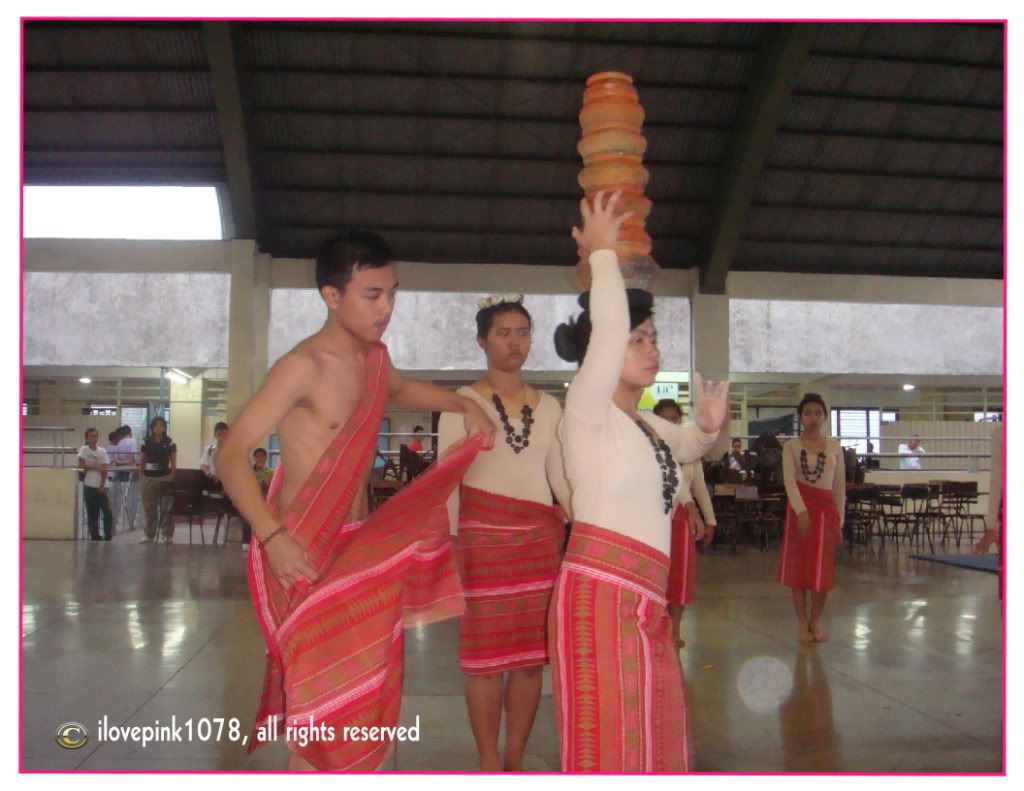
Salidsid


Kalinga wedding dance. Portrayed here is the courtship and marriage customs of the tribe. Female dances with layers of clay pots as male dancer carries a blanket while imitating the movements of a chicken.

Thank you for reading and commenting...

  • Digg
  • Del.icio.us
  • StumbleUpon
  • Reddit
  • RSS

Asian Folk Dances

Last Sunday, March 07, 2010. The University of Cebu, College of Education Presented the
MYSTIC ASEAN at Emall activity center. The show directed by Ceasar Amirhassan Nimor.

This is all about, the world’s famous folk dances. Watching the shows gave us a glimpse of the people in different countries and how beautiful their culture. I was mesmerized by their lovely performances and dresses. Aside from that, it seems I traveled all around the world.

Malaysia
The wau bulan is an intricately designed Malaysian moon-kite that is traditionally flown by men in the Malaysian state of Kelantan. It’s one of the Malaysia’s national symbols. Its gracefully flight is portrayed in a folk dance which symbolizes the soaring spirit of its youth.

Thailand
Thailand is a culturally-diverse nation. The Loy Krathnong held on the full moon of the 12th month in the traditional Thai lunar calendar. In the Western calendar this usually falls in November. Is a much celebrated offering festival in the predominantly-Buddhist of the country. The south, represented by a fan dance Rabum Taree Geepus has its strong link to nearby Malaysia is chiefly Islamic in faith and culture.

Indonesia
Indonesia has around 300 ethnic groups, each with cultural differences developed over centuries, and influenced by Indian, Arabic, Chinese, Malay, and European sources. Traditional Javanese, Minangkabau and Balinese dances, for example, typify strong contrasts of culture among the component islands of the archipelago.

Singapore
Singapore is highly cosmopolitan and diverse, a mixture of an ethnic Malay population with a Chinese majority, as well as Indian and Arab immigrants. There also exist significant Eurasian and Peranakan communities. Despite the diversity, the various ethnic groups have strived to unite into a harmonious nation.

Timor-Leste
According to a legend, an old crocodile and a boy as his close friend set off for the east, and they traveled the oceans for years searching for the place of the rising sun. as the crocodile died, he grew and grew, and his ridged back became the mountains and his scale the hills of Timor Lorosae, the young nation of Timor-Leste.

Vietnam
The non la, the conical hat of palm leaves has a sort of informal Vietnamese national symbol of charm that is recognized worldwide. It is the non la which gives shelter to the Vietnamese ladies’ blushing cheeks like a crowing bud protected from sun, rain or rough wind.

Brunei Darussalam
There is a wide array of native folk music, and dance. Brunei shares some cultural perspectives and links with the countries of South Asia such as Malaysia, Singapore, Indonesia, Thailand and Philippines. The strong Islamic influence means that dance performances and music are somewhat restricted. One folk dance is the Adai Adai which performed to a group work song sung by fisher people while they fished.

Laos
The Traditional Lao dance is called the lum vong. All the dancers form a circle. The size of the circle depends on the song being played, the lam or morlam. All the dancers will move in a circular way repeating the circle until the song stops. The circle and the dance are varying coordinated and oriented. Despite the complexity of the fingers, this is one of the easiest dances of Southeast Asia that even a non-Lao can perform.

Myanmar
Thing water Festival marks the start of the Burmese lunar calendar New Year, which occurs in mid-April at the height of summer heat. The Festival is celebrated with water as a symbol of the flow of time, washing away past misdeeds to provide spiritual renewal, and greeting the up-coming monsoon to bring a bountiful new beginning. This three-day festival in Burma is celebrated with splashing water, the performances, courtship, general good cheer and dancing which is preceded by the jolly joker dance of the old bachelor U Shwe Yoe and his lady love Daw Moe.

Cambodia
The Kingdom of Cambodia is dominated by the imposing temple of Angkor Wat and the Mekong River and the Tonle’ Sap (the fresh water lake), an important source of fish and paddies for the growing of rice. Majority of its population are the Khmer traditionally represented by the checkered cloth called the kroma. There is a considerable number of Muslim Charms who are easily identified by their traditional dresses resembling those worn by the Malays.

Philippines
The Spaniards used religion as an excuse to capture Filipino’s hearts and minds, the Americans redirected the Filipino way of thinking through education. Because of these, the Filipino have neglected and set their own Malay-based culture and identify, making the country a chiefly westernized country in the whole of the ASEAN. The existing folk music and dances are evidences of such redirection.

Happy Monday! Hope you learn something about Asian Dances and Cultures.


Thank you for reading and commenting...

  • Digg
  • Del.icio.us
  • StumbleUpon
  • Reddit
  • RSS

Broadway


  • Digg
  • Del.icio.us
  • StumbleUpon
  • Reddit
  • RSS

Thank you for visiting! Please come again....


This policy is valid from 20 December 2007 This blog is a personal blog written and edited by me. For questions about this blog, please contact aalquisola@gmail.com. This blog accepts forms of cash advertising, sponsorship, paid insertions or other forms of compensation. The compensation received may influence the advertising content, topics or posts made in this blog. That content, advertising space or post may not always be identified as paid or sponsored content. The owner(s) of this blog is compensated to provide opinion on products, services, websites and various other topics. Even though the owner(s) of this blog receives compensation for our posts or advertisements, we always give our honest opinions, findings, beliefs, or experiences on those topics or products. The views and opinions expressed on this blog are purely the bloggers' own. Any product claim, statistic, quote or other representation about a product or service should be verified with the manufacturer, provider or party in question. This blog does not contain any content which might present a conflict of interest.
Related Posts with Thumbnails